2026-04-17
What Is a VFD Drive Panel?
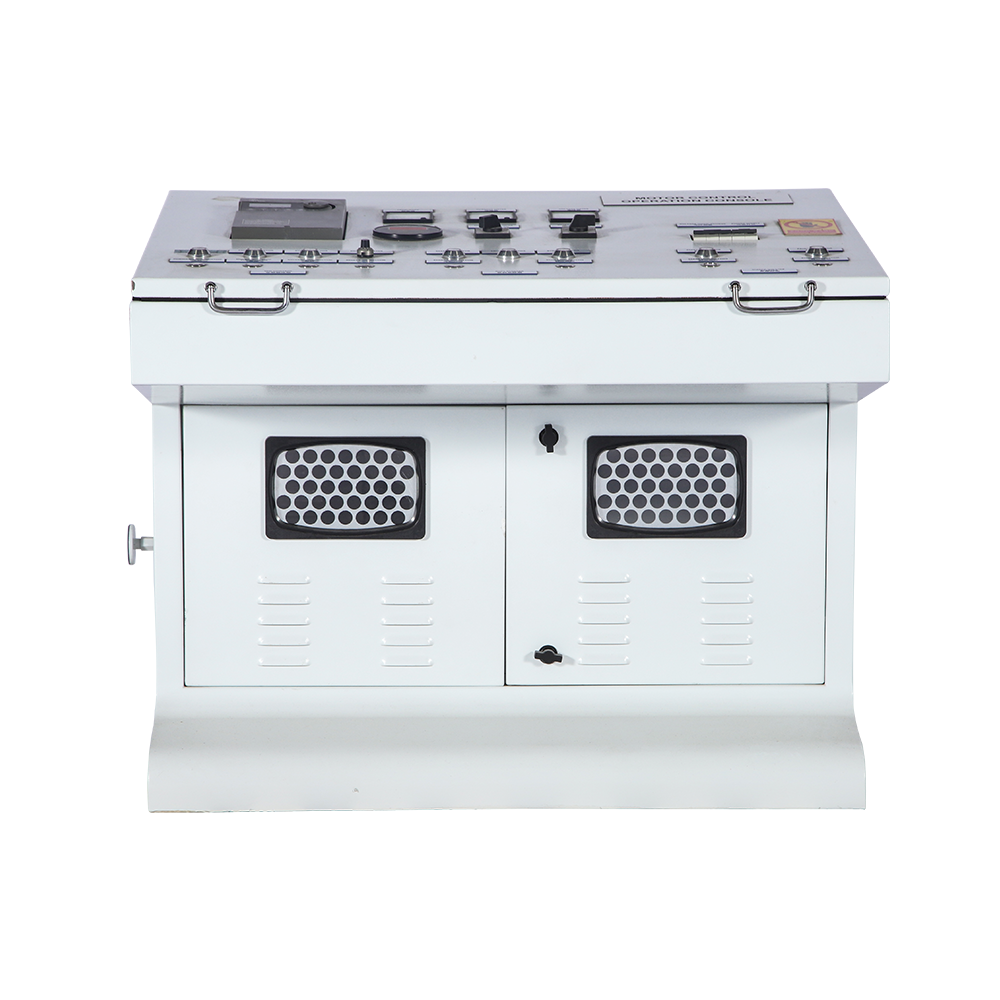
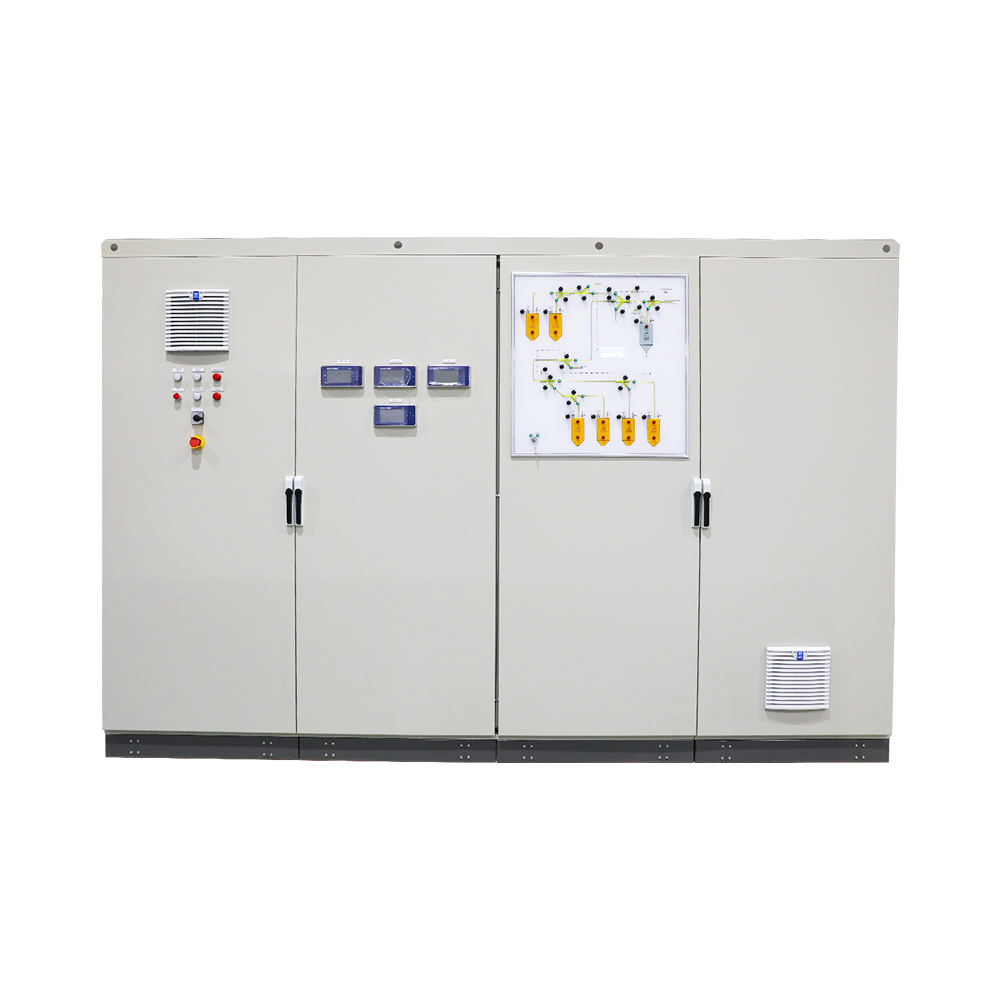
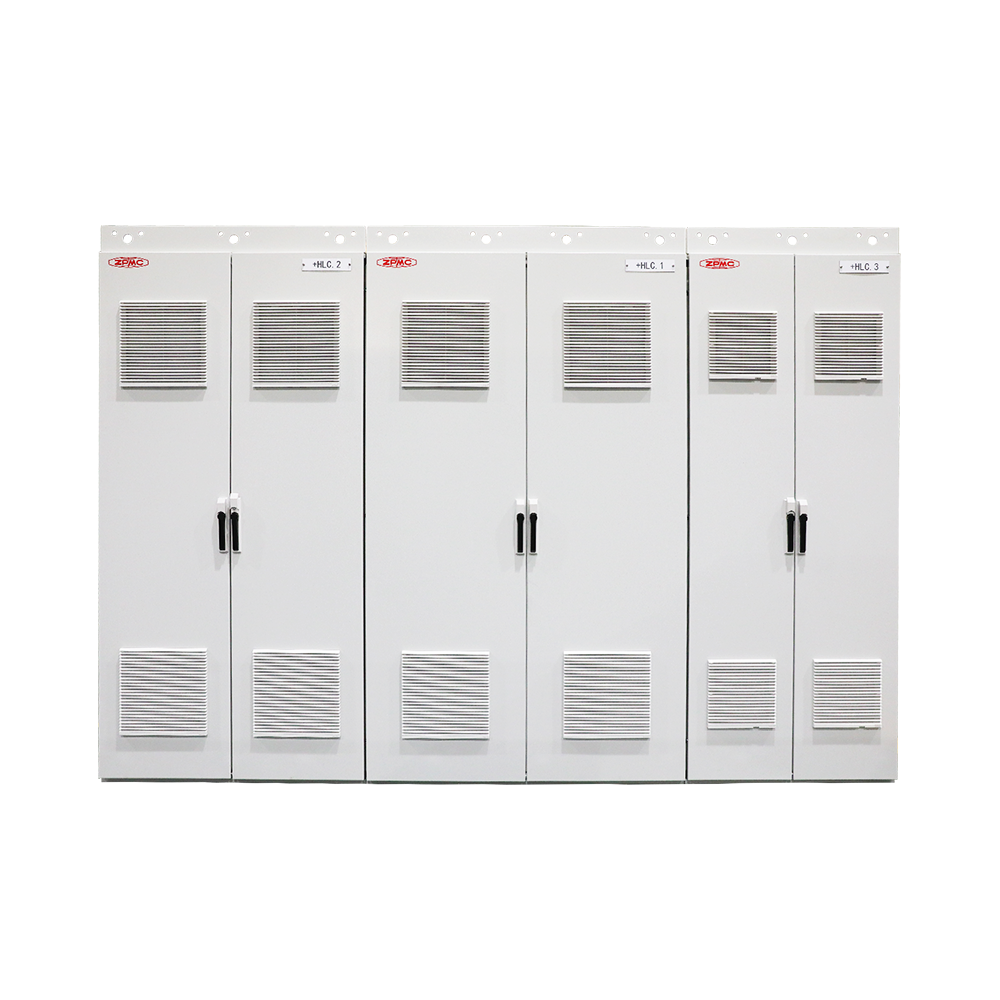
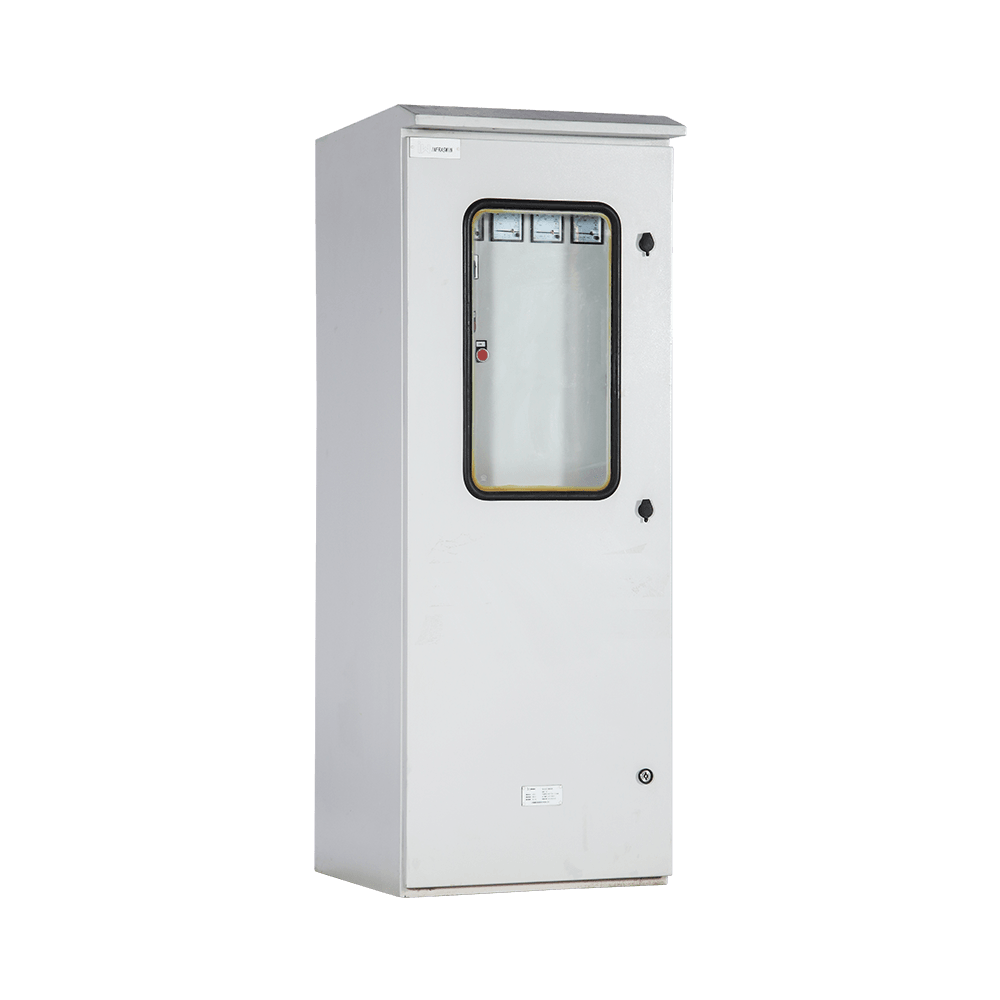
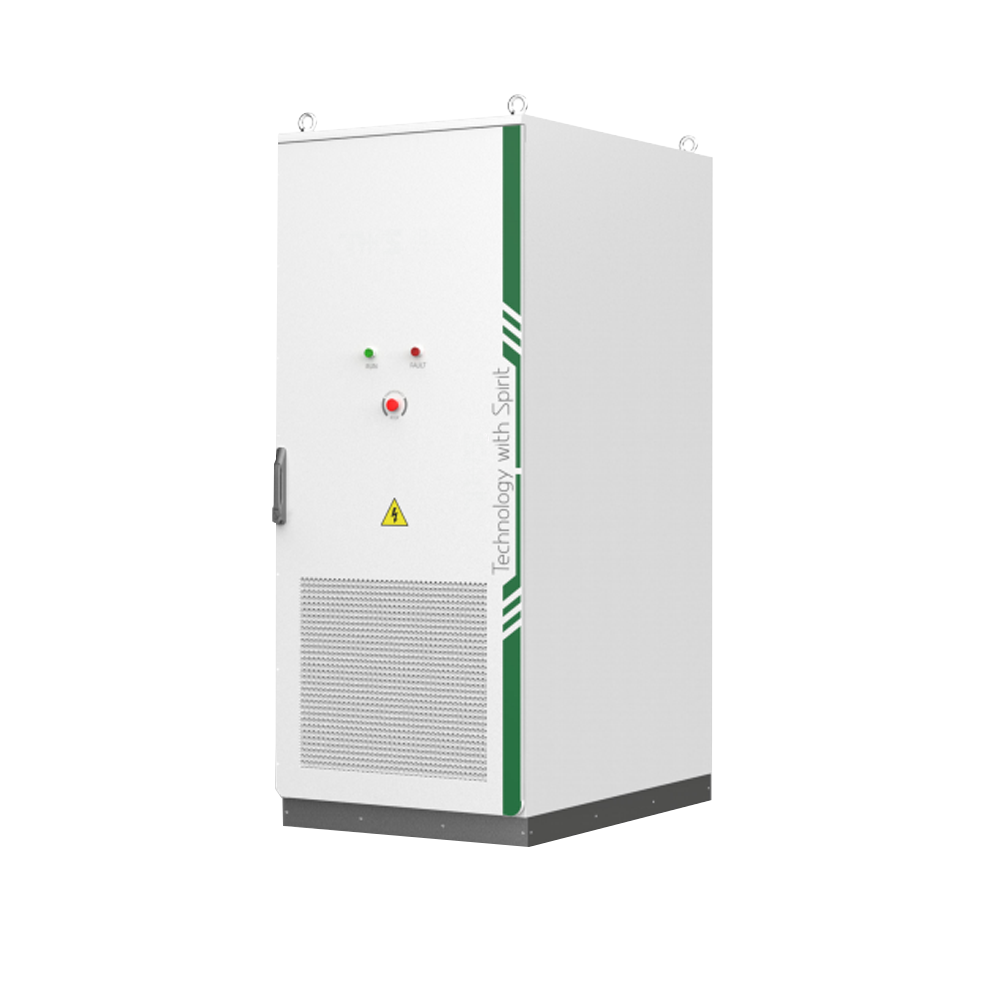
A VFD drive panel — short for Variable Frequency Drive panel — is an engineered electrical enclosure that houses a variable frequency drive along with all associated protection, control, and monitoring components required to regulate AC motor speed in industrial environments. Rather than mounting a bare VFD on an open rack, the panel integrates every element into a single, self-contained unit that is safe, organized, and ready to connect to the motor load.
The fundamental operating principle is straightforward: the VFD inside the panel converts incoming fixed-frequency AC power (typically 50 Hz or 60 Hz) into variable-frequency, variable-voltage output. By adjusting output frequency, the drive directly controls motor shaft speed — a capability that is impossible to achieve with simple on/off switching or mechanical throttling. The panel's enclosure shields sensitive electronics from dust, moisture, vibration, and electromagnetic interference, while the surrounding components handle switching, filtering, and operator interaction.
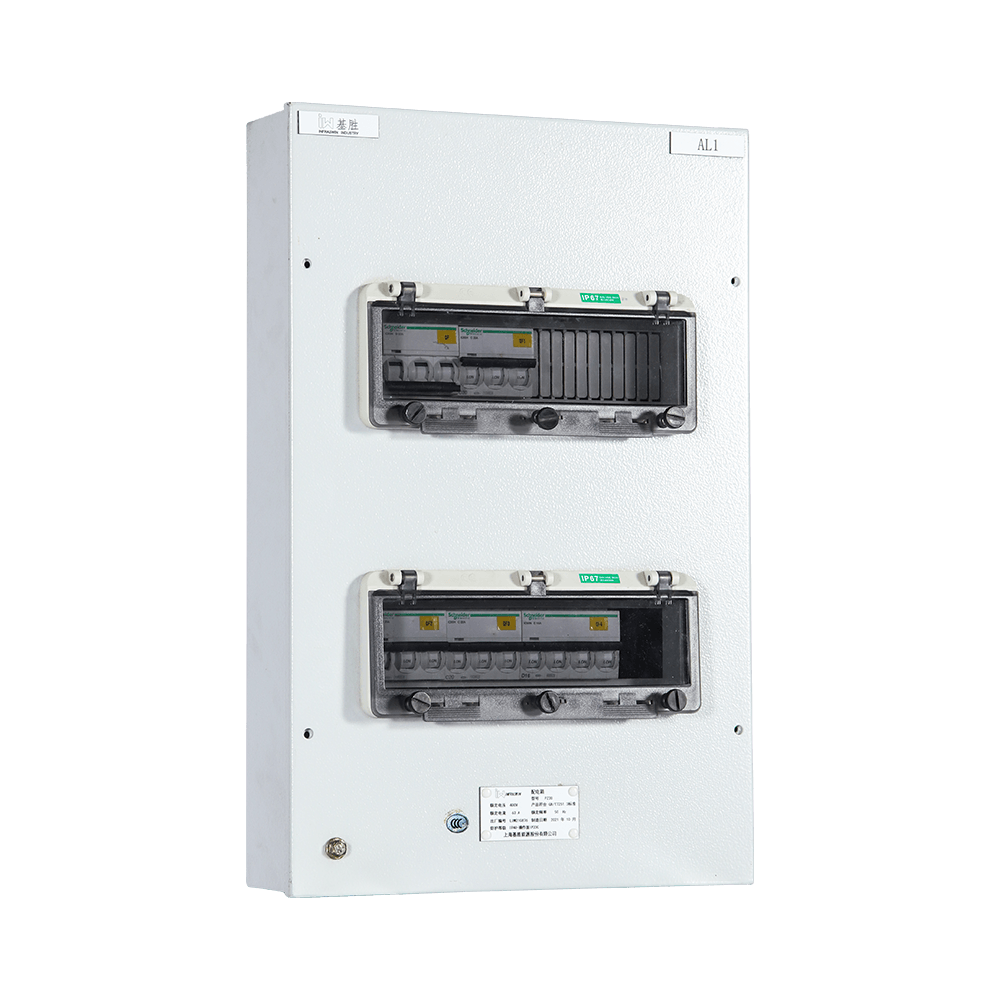
It is important to distinguish a VFD drive panel from a standard power distribution box. A distribution box routes fixed-voltage power from one point to another; a VFD panel actively modifies the characteristics of that power to match real-time process demands. This active control is what makes VFD panels indispensable in modern motor-driven systems.
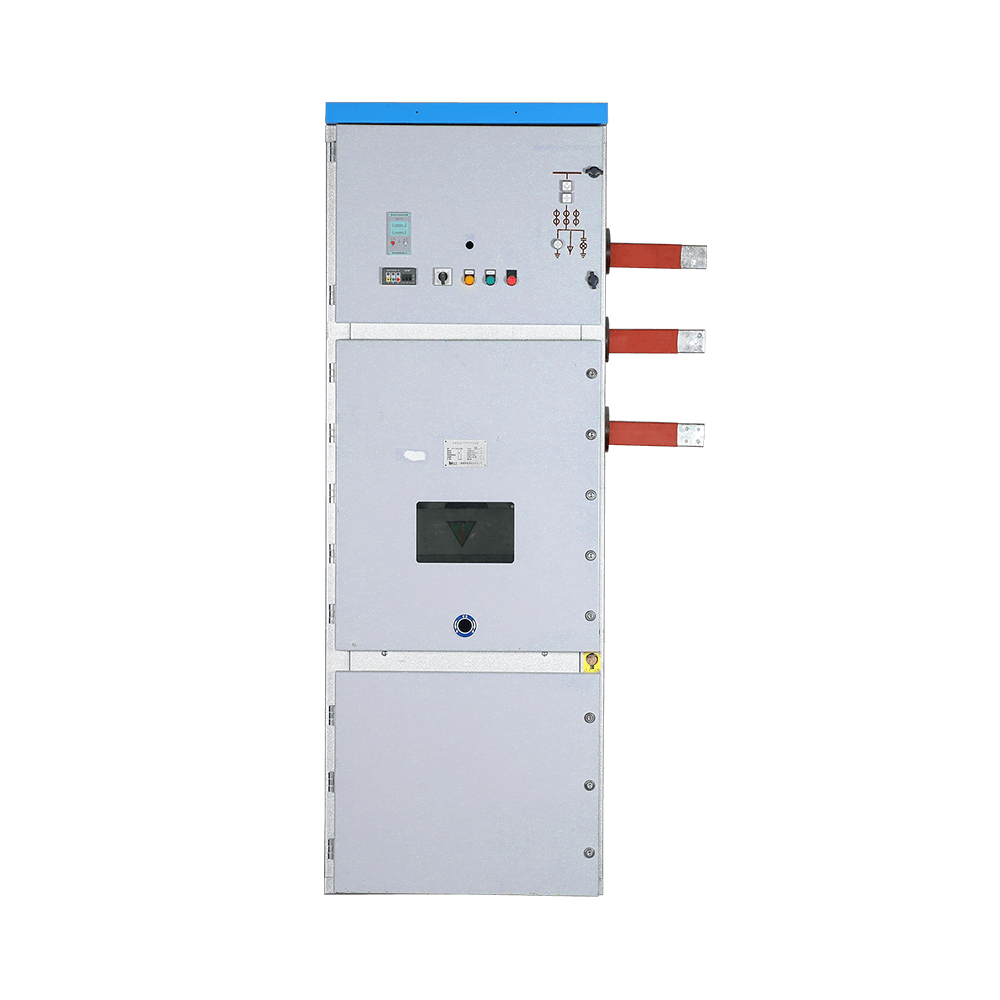
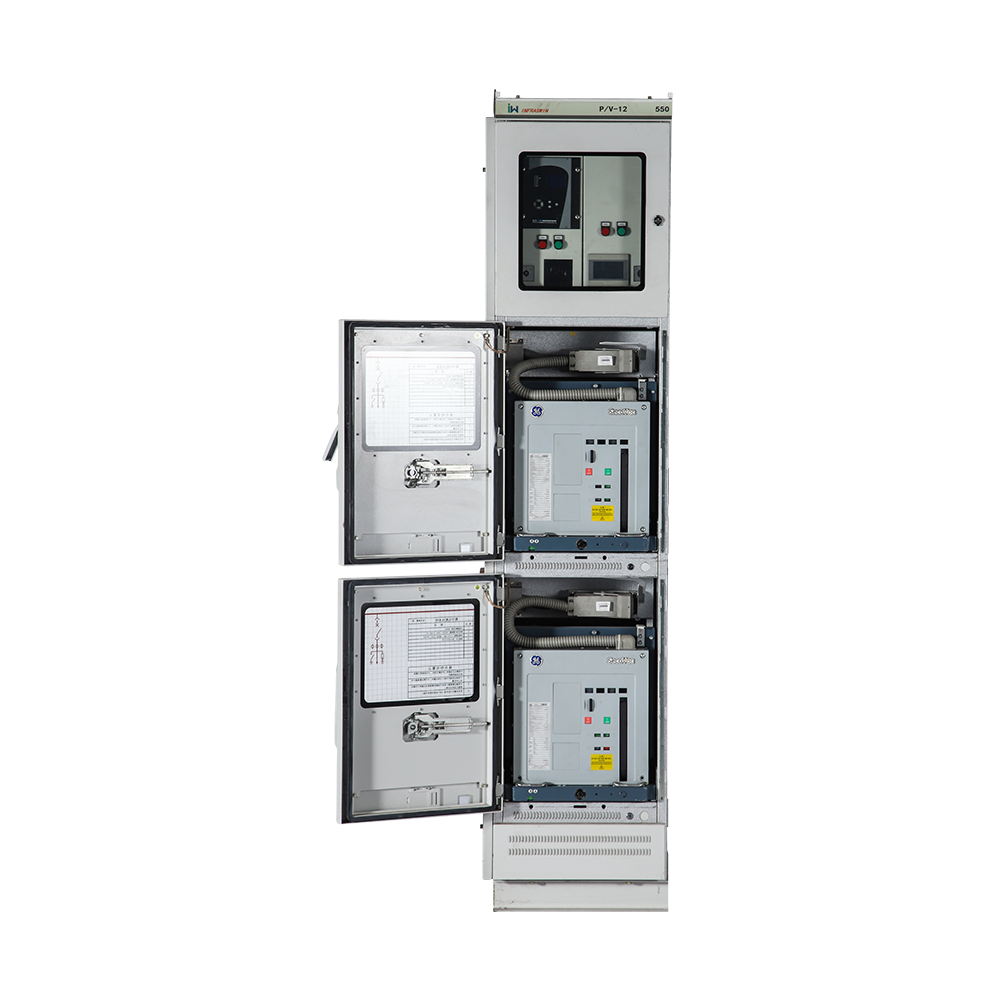
Understanding what sits inside a VFD drive panel helps buyers specify the right unit and maintain it effectively over time. A fully equipped panel typically contains the following elements:
The exact combination of components varies with power rating, application severity, and customer specification. Custom-built panels can incorporate surge protection devices, soft-charge circuits, door-interlocked isolators, and redundant cooling paths for the most demanding environments.
The business case for a VFD drive panel rests on four measurable advantages that compound over the operating life of a motor-driven system.
Energy savings up to 50%: Centrifugal loads such as fans and pumps follow the affinity laws — power consumption is proportional to the cube of shaft speed. Reducing motor speed by just 20% cuts power draw by nearly 50%. According to the U.S. Department of Energy's motor systems guidance, variable-speed drives are among the highest-impact efficiency measures available to industrial facilities.
Precise process control: Fixed-speed motors operating through mechanical throttles waste energy and introduce process variability. A VFD drive panel delivers speed accuracy typically within ±0.5% of setpoint, enabling consistent output quality in mixing, conveying, and pumping applications where flow or pressure must be held to tight tolerances.
Extended motor and mechanical life: Across-the-line motor starts generate inrush currents six to ten times the rated full-load current, imposing severe mechanical shock on couplings, gearboxes, and belts. VFD-controlled soft starts ramp the motor gradually, eliminating torque spikes and dramatically reducing wear on drive-train components.
Lower maintenance costs: Because VFD panels are AC-based systems with no brushes or commutators, routine maintenance is minimal compared to DC variable-speed alternatives. Predictive diagnostics built into modern drives flag bearing wear, insulation degradation, and cooling failures before they cause unplanned downtime.
Enclosure selection is not a cosmetic decision — the wrong protection rating in a harsh environment will shorten component life and create safety hazards. VFD drive panels are rated according to both the North American NEMA standard and the international IP (Ingress Protection) classification system.
| NEMA Rating | IP Equivalent | Protection Level | Typical Environment |
|---|---|---|---|
| NEMA 1 | IP20 | Basic dust / accidental contact | Clean, dry indoor electrical rooms |
| NEMA 3R | IP24 | Rain, sleet, ice formation | Outdoor installations, rooftop units |
| NEMA 4 | IP55/IP65 | Watertight, dust-tight, hose-directed water | Washdown areas, food processing, marine |
| NEMA 4X | IP66 | Above + corrosion resistance | Chemical plants, wastewater, coastal facilities |
| NEMA 12 | IP52/IP54 | Industrial dust, dripping non-corrosive liquids | General manufacturing, mill environments |
Panel enclosures are fabricated from 1.6–2 mm cold-rolled mild steel (CRCA), stainless steel 304, or stainless steel 316 depending on the corrosiveness of the environment. For facilities that also require low-voltage power distribution and switchgear systems, matching enclosure ratings across the electrical lineup ensures consistent protection throughout the installation.
VFD drive panels are deployed wherever variable-speed motor control delivers energy, process quality, or reliability benefits. The most widespread application categories include:
Browse real-world application projects across multiple industries to see how VFD drive panels are deployed in food production, petrochemical, rail transit, and FMCG environments.
Selecting the correct VFD drive panel requires matching the panel specification to the motor characteristics, load profile, installation environment, and site electrical standards. Work through the following checklist before finalizing a specification:
Off-the-shelf VFD enclosures cover the most common power ranges and protection ratings, but many industrial projects present combinations of requirements — unusual motor voltages, multi-drive configurations, integrated PLC logic, or specific third-party component brands mandated by the end client — that standard catalog products cannot satisfy.
A capable custom manufacturer engineers the panel from the enclosure outward: selecting the correct steel grade and thickness, calculating heat loads and sizing the cooling system accordingly, routing conductors for minimum EMI coupling, and producing complete wiring diagrams and test reports as standard deliverables. This level of engineering reduces commissioning time, eliminates field modifications, and provides the documentation trail required by industrial insurance and regulatory bodies.
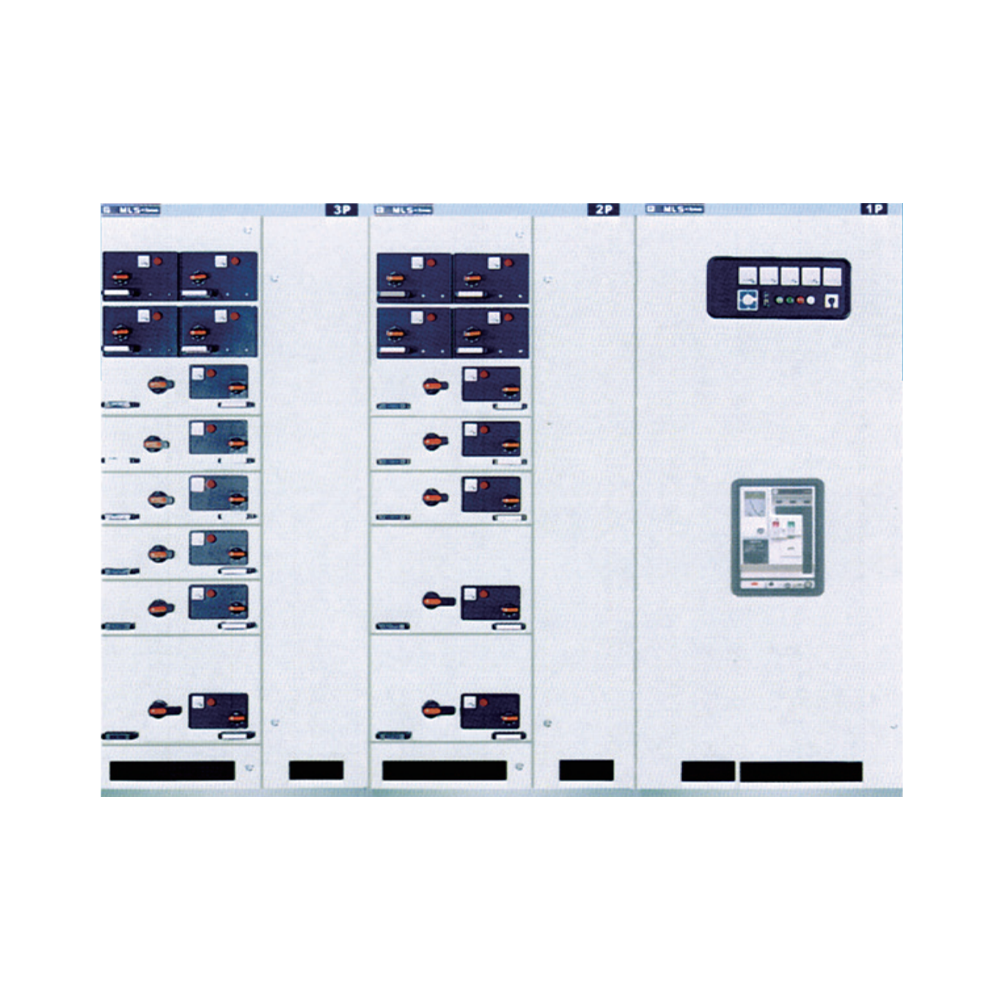
Integration with complementary control technologies — servo drives for position-critical axes, PLC controllers for sequencing logic — is straightforward when panels are designed by a single engineering team with visibility across the entire control architecture. Explore the full range of variable frequency drive control panels for industrial applications or review the broader complete industrial control panel solutions to understand the full scope of what an integrated panel builder can deliver.
When evaluating suppliers, look for manufacturers with demonstrated quality certifications, in-house testing facilities, and a project portfolio that spans the industries relevant to your application. The upfront engineering investment in a properly specified VFD drive panel pays back through years of reliable, energy-efficient motor control with minimal intervention.
Önerilen Ürünler

Enerji Yönetimi Çözümleri için Tek Düzey Tedarikçiniz.
Ürünler
Bize Ulaşın
720 Yuandong Yolu, Fengxian Bölgesi, Şangay, Çin
+86-19101772387
+86-19101772387
info@infraswin.com